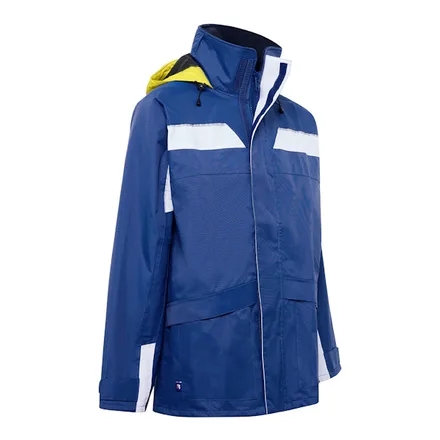
YouSail category guide
This category covers sail-specific clothing, footwear and everyday deck accessories designed for use aboard recreational yachts and small craft. It includes outerwear (waterproof jackets, salopettes and foul-weather suits), midlayers and base layers, technical shirts and shorts, sailing boots and deck shoes, lifejacket-compatible harnesses, gloves, sun protection (hats, neck gaiters, UV shirts), small-weatherproof bags, dry bags and sprayhood-safe accessories. Also included are non-electronic items that are worn or used directly while sailing such as sail-handling gloves, neoprene or wool socks for warmth, and quick-dry, non-slip clothing intended for wet, active conditions.
What this kit does aboard a sailing boat
Sailing clothing and accessories keep the crew comfortable, safe and operational in a range of conditions. Practical garments shed wind and rain, control body temperature through layering, provide UV protection, improve grip when handling lines and protect hands and feet from impact, abrasion and cold. Many items are also designed to integrate with personal safety equipment — for example, jackets and harnesses with cut-outs or attachment points for lifejacket clips or tether hooks. The right clothing lets a crew stay focused and function effectively: when you are warm, dry enough and can move freely, you make better decisions and react quicker to changing conditions.
Main product types and typical uses
- Foul‑weather outerwear: Waterproof, windproof jackets and trousers or one‑piece suits used underway in rain, spray and offshore conditions.
- Layering garments: Base layers (moisture-wicking), midlayers (fleece, synthetic insulation) to manage core temperature and evaporation.
- Technical tops and shorts: Quick-dry, breathable shirts and shorts for warm-weather sailing and sun protection.
- Deck footwear: Shoes and boots with non‑marking, high‑grip soles; some are waterproof or water‑resistant, others are light and drain quickly for warm climates.
- Gloves: Sail‑handling gloves with reinforcement on palms and fingers to protect against line burn and to improve grip.
- Sun protection: Hats with brims or neck coverage, UV‑rated shirts and neck gaiters for extended exposure.
- Small accessories: Dry bags, sprayhood‑compatible pockets, waterproof pouches for documents and small tools, and towable or stowable personal items used in transit.
What is excluded from this category
This guide does not cover heavy personal protective equipment like life rafts, electronic personal locator beacons, immersion suits designed for survival, helmets, or electrically powered heating systems. It also excludes large stowage items and fixed boat systems such as cockpit enclosures, fixed sprayhoods, or bespoke cockpit cushions.
Why the choice matters
Choosing appropriate sailing gear affects comfort, safety and fatigue. Poorly selected clothing can lead to hypothermia in cool, wet conditions or severe sunburn in the tropics; inappropriate footwear increases slipping risk; clothing that interferes with harness attachment or lifejacket operation creates safety hazards. On longer trips, bad choices become more than an annoyance: they can limit your ability to respond to weather changes, increase crew fatigue and raise the likelihood of incidents.
Decisions that matter before buying
Match your kit to the boat, the crew and the sailing you do. Consider the following and why each matters aboard a boat:
- Climate and seasonality: Temperature ranges and UV exposure determine whether you prioritise waterproofing, insulation or breathability.
- Type of sailing: Day sailing needs simplicity and comfort; coastal cruising requires more durable, stowable kit; offshore passages demand high‑performance, weatherproof clothing and redundancy.
- Boat layout and cockpit exposure: Cockpit depth, sprayhood coverage and whether you sail open‑cockpit or enclosed areas affects how much outer protection you need.
- Crew size and tasks: Active sail handling or short-handed cruising increases the need for robust, dexterous gloves and footwear that grip when moving about the deck.
- Compatibility with safety gear: Ensure jackets, harnesses and lifejackets can be used together without interference; test clip‑on points and inflation covers with the actual lifejacket model.
- Weight and pack size: On smaller boats and dinghies, light, compact garments that stow easily are crucial.
- Durability versus cost: Materials that resist UV and saltwater will last longer but typically cost more; think about lifetime use rather than up‑front price alone.
- Maintenance and drying: Wet gear that won’t dry aboard can encourage mildew and odour; breathable, quick‑dry fabrics reduce that risk.
How sailors compare product types
Compare by performance attributes relevant to sailing rather than fashion or headline ratings. Key comparison points:
- Waterproofing and breathability: Balance how well a fabric sheds water with how well it lets perspiration escape; both matter when working hard on deck.
- Seam and closure design: Taped seams, storm flaps and high collars improve protection. Check how cuffs, waist and ankle closures integrate with boots and harnesses.
- Freedom of movement: Articulated cuts and gussets are helpful when trimming sails or scrambling on deck.
- Sole design for footwear: Grip pattern, contact area and compound affect traction on wet decks and stairs; look for non‑marking soles if you care for gelcoat or varnish.
- Glove thickness versus dexterity: Thicker palms protect better, thinner fingers allow more precise handling; match glove design to the tasks you perform most.
- Integration with lifejackets and harnesses: Does the garment allow a tether to be clipped easily? Are pockets accessible while clipped in?
Understanding common specifications and terms
- Waterproof rating: Often quoted for fabrics; higher numbers mean more water resistance in standard tests but real‑world performance also depends on seam construction and closures.
- Breathability rating: Indicates vapour transmission in lab conditions; practical breathability varies with activity level and layering.
- Seam‑sealed or taped: Taped seams prevent water ingress at stitch lines — important for prolonged exposure but less critical for occasional spray.
- Insulation type: Synthetic fibres dry quicker than down when wet and retain more insulating value when damp; choice depends on likely wetting and drying opportunities.
- Non‑marking sole: Means the sole is formulated to avoid leaving scuffs on decks and is usually softer; test for slip resistance when wet rather than relying on marketing terms alone.
Compatibility and installation considerations
For clothing and accessories, compatibility means physical integration with the boat and other safety equipment rather than electrical or plumbing concerns. Check:
- Whether jackets or harnesses obstruct instrument panels, winch access or sheet leads when worn.
- That boot soles won’t damage deck surfaces you care for; non‑marking soles are important for many recreational boats.
- That pockets and attachment points on garments are accessible when seated, clipped in or wearing a lifejacket.
- Dry bag sizes that fit available storage lockers and that stows easily when not in use.
Day sailing, coastal cruising and offshore differences
Day sailing
Prioritise light, comfortable clothing that’s easy to put on and remove, quick‑dry fabrics and footwear that drains and provides grip. Simpler gloves and a single lightweight waterproof are usually sufficient.
Coastal cruising
Expect variable weather and longer time aboard. You’ll need more durable outerwear, layered insulation, better gloves for longer sail handling and larger dry bags. Consider garments that pack small but withstand repeated use and exposure to sun and salt.
Offshore and remote cruising
Reliability and redundancy matter. Choose outerwear designed for prolonged exposure to wind and spray, multiple layers for temperature control, and footwear that protects against cold and impact. Carry spares for high‑wear items (gloves, boots) and choose fabrics that remain usable when wet. Simplicity of repair and availability of replacement parts at ports you visit should influence choices.
Trade‑offs you will face
- Simplicity versus features: More pockets and zips add convenience but also points of water ingress and failure.
- Manual versus technical fabrics: Natural fibres are comfortable but may retain water; modern synthetics are lighter and drier but can be less warm when inactive.
- Weight versus protection: Heavier, fully waterproof garments protect better in severe weather but add bulk and reduce packability.
- Permanent protection versus portability: Fixed deck protection (sprayhoods) reduces need for heavy garments but is unsuitable for all boats or all conditions.
Maintenance and service life
Routine care extends usable life: rinse salt from garments and boots, dry thoroughly before stowing, reproof waterproof outer layers as required by the fabric manufacturer, and inspect high‑stress points such as cuffs, seams, zips and sole joins. Gloves, boot soles and elastic in waistbands are normal wear items; keep spares on longer cruises. Avoid prolonged UV exposure when possible and store items away from heat and solvents that can degrade materials.
Common mistakes to avoid
- Buying by headline waterproof or breathability figures without checking seam construction and closures — results can be disappointing in real spray.
- Choosing heavy, bulky gear for warm climates — causes overheating and reduces dexterity.
- Neglecting compatibility with lifejackets and harnesses, creating interference with safety equipment.
- Buying footwear for style rather than grip and drainage — increased slip risk aboard.
- Failing to consider storage space and pack size — gear that won’t stow becomes unused clutter.
Before you buy: practical checklist
- Define the primary use: day sails, coastal cruising or offshore passages.
- Record typical climate and temperature ranges for your sailing area and season.
- Measure storage spaces and locker dimensions for stowable items and dry bags.
- Check lifejacket and harness compatibility by trial fitting garments and tether attachments.
- Try footwear on the boat if possible, or with a deck‑surface simulator, to test fit and grip.
- Ask about warranty, repairability and availability of replacement consumables (boot soles, zips, reinforcements).
- Plan which items you’ll carry spares of on longer trips (gloves, socks, basic repairs kits).
Prioritise selections that suit the sailing you actually do, not aspirational trips. Good sailing gear reduces fatigue, keeps the crew functional in changing conditions and integrates safely with lifejackets and harnesses. Choose for real‑world fit, compatibility and maintenance practicality rather than only technical claims.