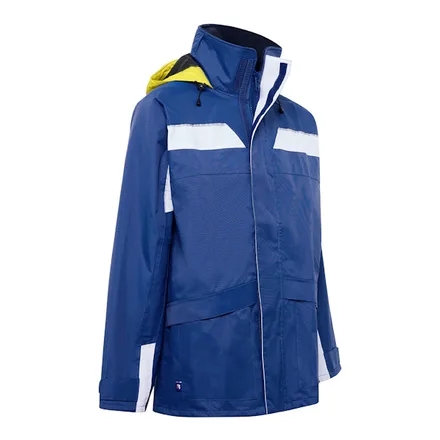
YouSail category guide
What wet weather gear is and why it matters aboard a sailing boat
Wet weather gear covers clothing and personal protective items specifically designed to keep a sailor dry and reasonably warm when exposed to rain, spray, wind and sea water. It includes breathable and non-breathable jackets and overtrousers, full one-piece suits (often called foulies or drysuits in some contexts), spray tops, waterproof boots, gloves and hoods. The category is about controlling water ingress, protecting against wind chill, and allowing safe movement on deck while maintaining dexterity for sailing tasks.
Where and how wet weather gear is used
Onboard, wet weather clothing is used whenever conditions threaten to wet crew: absorbing persistent rain, resisting breaking waves, keeping spray out in close-hauled sailing, or blocking wind to reduce heat loss. Use ranges from short day-sail showers to sustained exposure during coastal or offshore passages. Gear is typically stored in cockpit lockers, under bunks or in dedicated drybags for quick access. On racing boats, lighter, more streamlined garments for mobility are common; cruisers often favour layers and higher levels of protection for long watches.
What this category includes — and excludes
- Included: Waterproof/breathable jackets and overtrousers, two-piece wet weather suits, one-piece suits and foulies, spray tops, waterproof boots and deck shoes, neoprene or waterproof gloves, hoods and storm caps, high-visibility outer layers, and accessories such as gaiters and waterproof storage bags.
- Excluded: Thermal base layers, insulated jackets (these are clothing layers often sold separately), personal flotation devices (PFDs) and harnesses — although the gear must be compatible with PFDs — and specialised immersion suits intended for survival after abandoning ship.
Main product types and configurations
- Two-piece waterproof sets: Jacket plus overtrouser. Versatile for mixed conditions because you can take off one layer if you overheat. Common for coastal sailing and day trips.
- One-piece suits / foulies: A single garment that covers from neck to ankle. Provides better sealing against spray and is preferred where continuous wet exposure is expected, such as in heavy-weather coastal work or when on deck for long watches.
- Spray tops: Shorter jackets or anoraks designed to block spray and light rain while allowing maximum movement; often used by racers and dinghy sailors.
- Waterproof boots and deck shoes: Footwear designed with non-slip soles, waterproof membranes or rubber construction to keep feet dry and provide grip on wet decks.
- Gloves and hoods: Waterproof or semi-waterproof gloves protect hands from cold and abrasion; hoods and storm caps improve head protection and reduce heat loss.
Terminology explained
- Breathable membrane: A thin layer (often polyurethane or similar) that lets water vapour escape while blocking liquid water. Helps reduce condensation and sweating inside the garment.
- Seam-taped: Seams have adhesive tape applied over the stitching to prevent water ingress through needle holes.
- Gore-Tex / generic membrane: Gore-Tex is a brand of breathable membrane; other manufacturers use similar fabrics. In this guide we use the generic term 'breathable membrane' to avoid brand recommendations.
- DWR (durable water repellent): A treatment on outer fabric that makes water bead and run off instead of soaking in. It needs periodic renewal with appropriate sprays or washes.
How sailors compare options
Choosing wet weather gear is about balancing protection, breathability, mobility and durability for the intended type of sailing. Compare garments by looking at construction (two-piece vs one-piece), fabric type (fully waterproof membrane vs coated fabric), seam sealing, closure systems (flap-covered zips, storm cuffs), hood design, and the layout of pockets and vents.
- Protection vs breathability: Fully waterproof, non-breathable gear keeps water out but can trap sweat; breathable membranes reduce internal condensation but will be less effective if ventilation is poor or the membrane quality is low.
- Mobility vs coverage: One-piece suits give better coverage but can restrict movement when climbing the mast or moving into confined cockpits. Two-piece systems allow greater freedom.
- Weight and packability: Lighter garments are easier to store and carry but may be less durable. Consider how much space you can allocate aboard.
- Durability and reinforcements: Knees, seat and cuffs are high-wear areas. Reinforced panels extend life when frequently moving about the deck.
Decisions that matter before buying
These are the factors that genuinely affect performance and suitability aboard a sailing boat:
- Boat size, type and intended use: Short day sails on protected water usually need lighter, more breathable pieces. Long-distance cruisers and passage-makers need robust, higher-coverage gear that stands up to continuous wet and rough conditions.
- Crew size and experience: Less experienced crew may prefer simpler garments with fewer adjustments; racers with experienced crews may prioritise minimal bulk and maximum freedom of movement.
- Expected weather and sea conditions: Squally, rainy coastal conditions need quick-don and breathable layers. Heavy spray and offshore weather push you towards higher-sealing one-piece suits and more comprehensive protection.
- Operating temperature and layering: Wet weather gear is often an outer shell. Consider what thermal layers you will wear underneath: wet weather clothing itself is not usually highly insulating.
- Size, fit and mobility: Ensure the cut allows the sailing positions you use: trimming, helming, moving on the foredeck and climbing. Try garments with the same base layers you will use aboard.
- Storage space: Bulky suits require locker space; compact or packable items are better for boats with limited stowage.
- Compatibility with PFDs and harnesses: Check that collars, front closures and hoods do not interfere with wearing a lifejacket or harness safely.
Product types in detail
Two-piece sets (jacket + overtrouser)
- How they work: Separate jacket and pants with adjustable waists and cuffs. Often include waist gaiters, taped seams and storm flaps over zips.
- Where used: Widely used for coastal cruising, day sailing and as general-purpose wet weather protection aboard larger boats.
- Advantages: Flexibility to remove a layer if warm; easier to don and doff; better for mixed activity where mobility matters.
- Limitations: More potential water entry at the waist unless fitted with good overlap or integrated waist seals.
- Suitable for: Most cruisers, day sailors and those who want a practical compromise between protection and movement.
One-piece suits / foulies
- How they work: A single garment with sealed seams, often with higher collars and storm hoods to reduce water ingress.
- Where used: Offshore sailing, heavy-weather coastal passages, or by anyone expecting sustained spray or deck immersion.
- Advantages: Fewer entry points for water, simpler sealing, better protection in prolonged wet conditions.
- Limitations: Can be hot in moderate conditions, harder to put on or remove, and may restrict some movements.
- Suitable for: Passage-makers, offshore watches and sailors operating in consistently rough conditions.
Spray tops and anoraks
- How they work: Shorter tops designed to block spray and light rain, usually with roomy cuts and large hoods.
- Where used: Dinghy sailing, racing, and short trips where manoeuvrability is paramount.
- Advantages: Excellent movement, lighter weight and easier ventilation.
- Limitations: Less protection in heavy rain or when waves are breaking over the deck.
Boots, gloves and hoods
- Footwear must balance waterproofing, grip and comfort when worn for long periods. Non-marking, high-traction soles suitable for wet decks are essential.
- Gloves trade dexterity for protection; thin waterproof gloves may be good for sail handling, while thicker insulated gloves suit colder conditions.
- Hoods should integrate with collars and PFDs without obstructing sightlines or mobility.
Understanding specifications
- Waterproof rating: Some garments list hydrostatic head figures; they describe how much water pressure a fabric will resist before leaking. Higher numbers indicate greater resistance, but the figure alone does not guarantee seam or zip waterproofing.
- Breathability ratings: Often quoted as moisture vapour transmission numbers. These indicate how much water vapour can pass through a fabric. Breathability helps when active, but real-world performance depends on ventilation and garment design.
- Seam sealing: Fully taped seams are far more effective than partially taped seams. Inspect how zips and cuffs are protected.
- Weight and pack size: Useful for storage planning. Lighter garments pack smaller but can be less robust.
- Fit and sizing: Look for generous movement allowance; test with base layers you will normally wear.
Compatibility and installation aboard your boat
Wet weather gear doesn’t require technical installation, but you must plan for storage, quick access and compatibility with safety gear:
- Measure locker and cockpit stowage spaces for bulky suits and boots.
- Confirm that jacket collars and hoods work with your lifejackets and harnesses; try on the PFD over the jacket where possible.
- Designate dry storage for spares and for items that must remain watertight, such as electronics.
- Ensure there is room to ventilate damp gear to avoid mould and odours.
Day sailing, coastal cruising and offshore use
Day sailing
- Prioritise light, breathable jackets and spray tops that are easy to put on and stow. Two-piece systems are often ideal.
- Keep one good pair of waterproof deck shoes and a thin pair of gloves for occasional use.
Coastal cruising
- Expect longer periods on deck and changing conditions. Choose more durable, higher-coverage sets and consider a one-piece for rougher days.
- Pack spare layers and ensure ventilation options to reduce internal condensation during active periods.
Offshore and remote cruising
- Prioritise redundancy, durability and serviceability. A reliable, high-coverage one-piece and a backup two-piece or spare jacket can be sensible.
- Carry repair materials for zips, seam tape and DWR treatments where practical, and plan for extended drying and storage aboard in adverse conditions.
Trade-offs to consider
- Simplicity versus features: fewer closures and simple cuts are easier to maintain; added vents, pockets and adjustments add convenience at the cost of added failure points.
- Manual layering versus heavy-duty single garments: layering gives flexibility but increases complexity and stowage needs.
- Weight versus durability: heavier fabrics last longer but take more storage and may reduce comfort during active sailing.
- Permanent fit versus universal sizing: tailored cuts can be more comfortable but limit swapping between crew or lending onboard.
Maintenance and service life
- Rinse salt off with fresh water after use to reduce corrosion of zips and fabric degradation.
- Dry garments thoroughly before long-term storage to avoid mould and odour; ventilate lockers where possible.
- Inspect seams, zips, velcro and cuff closures regularly; seam tape and DWR treatments are consumables that need renewal.
- Carry basic repair items such as seam tape, spare toggles and needle/strong thread for on-the-go fixes.
Common mistakes and how to avoid them
- Buying by headline spec alone: Waterproof ratings or breathability numbers tell part of the story; check seam sealing, zips and overall construction.
- Undersizing or oversizing: A garment that is too tight restricts movement; too loose allows water ingress and hampers dexterity. Try on with intended layers.
- Ignoring PFD compatibility: A jacket that interferes with a lifejacket or harness can be dangerous. Test both together before buying.
- Failing to plan for storage: Bulky suits need locker space. If you cannot stow gear properly, its usefulness is reduced.
- Overlooking maintenance: DWR wears off and zips corrode; without maintenance, performance falls. Know how to renew treatments and service fastenings.
Before buying: a practical checklist
- Define intended use: day sails, coastal cruising, offshore passages, or racing.
- Measure available locker space and note where you will store suits and boots.
- Try gear on with your normal base layers and with a PFD or harness.
- Check seam sealing, zip protection, cuff closures and hood integration.
- Confirm the garment allows required mobility for sail handling, helming and foredeck work.
- Ask about repair parts, warranty and availability of seam tape or service centres in your region.
- Plan for cleaning, DWR re-treatment and drying routines aboard.
- Decide whether to carry a spare essential item (an extra jacket or pair of boots) for long trips.
How to prioritise
Prioritise protection that matches the sea and weather you expect: choose lightweight, breathable gear for short, active sailing; select more robust, higher-coverage suits for extended wet exposure. Ensure fit and PFD compatibility before considering advanced features. On passage, durability and redundancy become as important as breathability. The right compromise depends on your boat, crew and sailing programme — pick gear that you will actually use, maintain and stow correctly rather than the most feature-rich option alone.